

The Institute of Regenerative & Molecular Orthopaedics

Chondromalacia Patella

Home > Stem Cell & PRP Conditions Treated > Chondromalacia Patella

Chondromalacia Patella, Stell Cell Orthopedic

Learn How Stem Cell Therapy Can Treat Chondromalacia Patella

Chondromalacia patella is an orthopedic condition in which the tissue located underneath the kneecap starts to deteriorate and become soft. Since the patella, or cartilage, is a natural shock absorber, this condition can become quite painful if left untreated. Fortunately, at The Institute of Regenerative & Molecular Orthopaedics, there are several treatment options available. 

When chondromalacia is present in adolescents and young adults, overuse and certain injuries or trauma are usually the causes. In the elderly, the condition may very well be a sign of arthritis. Those who have extensive damage to the kneecap, such as fractures or dislocation, are more at risk for developing chondromalacia patella. 

Symptoms of this type of orthopedic condition usually consist of a dull, aching pain to the kneecap. This is brought on by several factors such as walking or climbing stairs, squatting, kneeling, or sitting with one leg bent underneath the other for a lengthy amount of time. Tenderness of the knee is often felt as well as a certain grinding sensation whenever the knee is extended. 

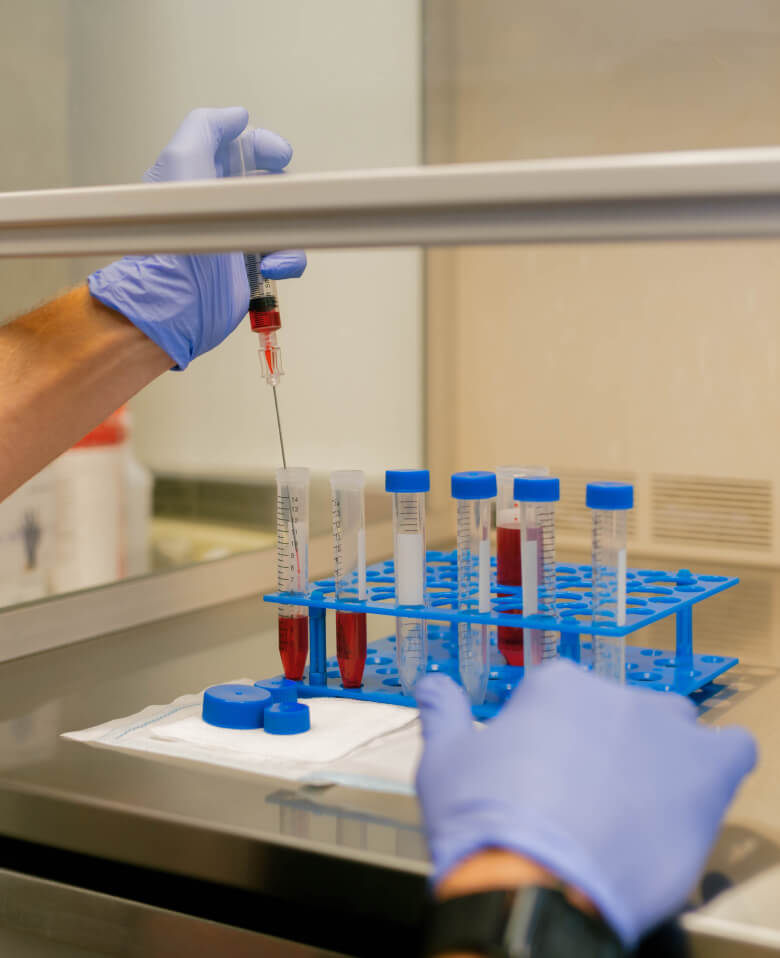
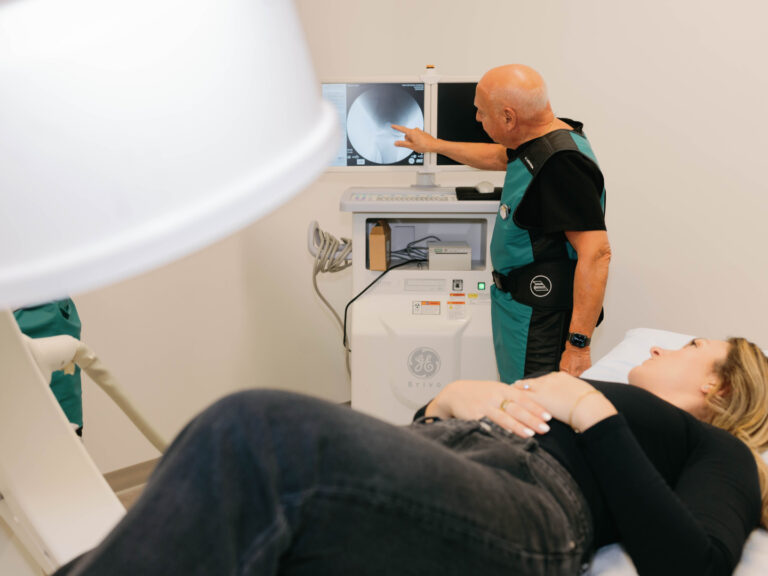
Stem cell therapy is a safe, innovative procedure used in the treatment of chondromalacia patella. Due to new technology, the stem cells found in individuals of all ages can be easily obtained during a simple office procedure. This is done by collecting bone marrow from the patient’s pelvis with a small needle. While some discomfort may occur, it is minimized with a local anesthetic to the area. The bone marrow itself includes platelets, mesenchymal stem cells and other types of stem cells needed for the repair process. 

The two types of stem cells known to help with the repair process are the hematopoietic and mesenchymal. These cells travel through the bloodstream to the injured areas. While stem cells help to repair the injured area, they cannot complete this process by themselves. Platelets are needed to release growth factors in order for the process to become complete. Once this happens, the results of stem cell therapy are not only remarkable, but effective. 

As with any repair process, it may take weeks to months until the actual process begins. This is completely normal and is indeed a slow and steady process. While the normal repair usually takes 2 to 3 months, many individuals notice improvement before then. Each person is different. Therefore, no two bodies will heal just alike or require the same amount of repair time.

**Please note that the above condition represents the vast majority of conditions which we treat with either PRP injections or a combination of both PRP injection and stem cell injections. The method of treating the condition depends upon the severity of the condition, age of the patient, and other factors. In general, when treating tendonitis, a PRP injection with possibly Human Growth Hormone is usually sufficient. The more severe conditions such as significant joint arthritis may need an addition to PRP injections—such as an injection of bone marrow stem cells. For more moderate joint arthritis, rotator cuff tears, meniscus injuries, and other tendon tears and injuries, a combination of PRP injections, fat stem cell injections, and Human Growth Hormone injections.