

The Institute of Regenerative & Molecular Orthopaedics

Degenerative Arthritis

Home > Stem Cell & PRP Conditions Treated > Degenerative Arthritis

Degenerative Arthritis, Stem Cell Orthopedic

Degenerative arthritis represents a degenerative inflammation of the junctures that connect the bones. The result of degenerative bone disease can contribute to impairment and terrible suffering. Commonly, adult men and women between 45 to 55 develop bond and joint problems resulting in osteoarthritis. Unfortunately, there is no curative measure for the treatment of degenerative joint disease. Osteoarthritis also called OA is the result of prolonged, progressive deterioration of the cartilage or spongy bone in the junctures between bones of the body.

Breaches in the integrity of the cartilage of the joints can wear away to the point of causing pain and inflammation. Osteoarthritis can influence the spine, hips, knees, and finger articulations of the hands. People experience intense pain, stiffness and, in more severe cases, degenerative joint disease can induce deformity in the affected regions.

Forefront of Orthopedic Medicine

Pain management for the treatment of OA constitutes a combination of pain and anti-inflammatory medications. Physical therapy, resistance training, and unconventional treatments including acupuncture and Yoga offer some control of pain and stiffness associated with the condition. Occassionally, a more invasive approach may be necessary in order to repair damage to the bone, joints, ligaments, or muscles because of osteoarthritis.

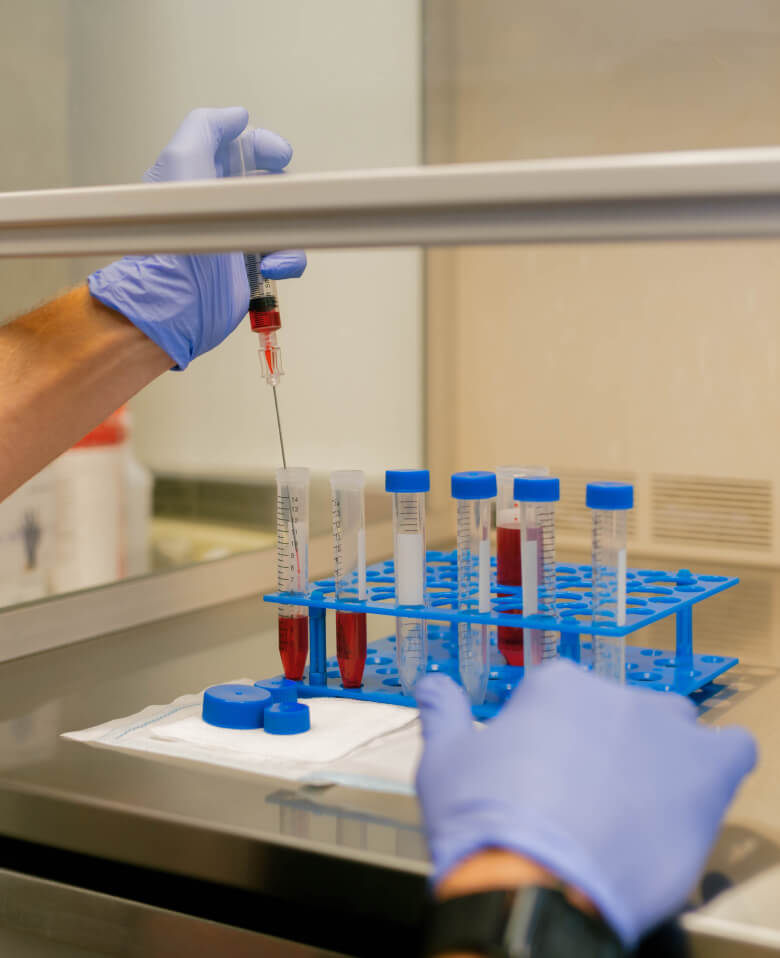
The Institute of Regenerative and Molecular Orthopedics or IRMO passed through the boundary of conventionality with the practice of pioneering restorative techniques in orthopedic medicine. Stems cell therapy represents a noninvasive answer that resolves various bone disorders, especially degenerative arthritis. Stems cells are primary components in the body. Stem cells are notable for their uncanny capability to evolve and develop into other forms of differentiated cell structures. These undifferentiated cells can restore other cell structures. Stem cells make up an effective means of treatment for a growing number of diseases by way of stem cell therapy.

What Separates IRMO from Some Other Stem Cell Facilities?

Globally, IRMO contributes to this practice of medicine with knowledgeable, qualified surgeons. These specialists understand the complexities of orthopedic medicine, and their specialized training sets them apart from practitioners in this scope of medicine. Stem cell therapy can be a practical option to accompany an invasive surgical procedure or an alternative.

The surgical team at IRMO dedicate time and service to the development of new methods to enhance patient care. Individuals who suffer from degenerative arthritis or other bone disorders will find the Institute of Regenerative & Molecular Orthopedics to be helpful. They have the know-how and skill to help people regain their active lifestyle.


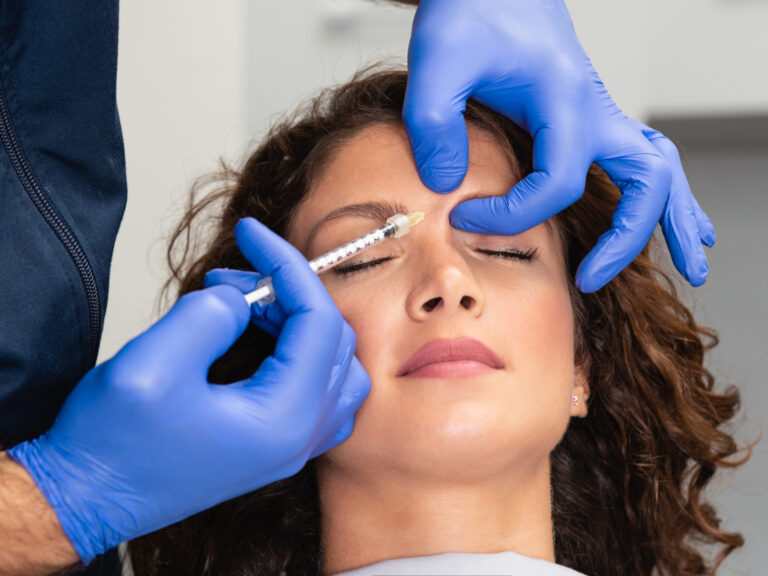
**Please note that the above condition represents the vast majority of conditions which we treat with either PRP injections or a combination of both PRP injection and stem cell injections. The method of treating the condition depends upon the severity of the condition, age of the patient, and other factors. In general, when treating tendonitis, a PRP injection with possibly Human Growth Hormone is usually sufficient. The more severe conditions such as significant joint arthritis may need an addition to PRP injections—such as an injection of bone marrow stem cells. For more moderate joint arthritis, rotator cuff tears, meniscus injuries, and other tendon tears and injuries, a combination of PRP injections, fat stem cell injections, and Human Growth Hormone injections.