

The bicep is the muscle on the front of the arm that stabilizes the shoulder, bends the elbow and rotates the forearm. Tendons attach muscle to bones at the joints. If a bicep tendon is torn, then the patient will lose strength in the arm and be unable to rotate the arm. When a tendon is torn, it does not heal itself and grow back like many other areas of the body.
If you feel the little bump on the outside of your arm at the elbow, that is the radial head. This is the area of the elbow that the distal bicep tendon attaches, and the point at which a distal biceps tendon partial tear will take place.
There are two types of tears that can occur to a tendon. There are partial tears that do not completely split apart the tendon. Complete tears completely split the tendon apart, leaving it in two pieces. A distal biceps tendon tear is equally likely to occur in either arm. This type of injury is most likely to occur when the elbow is forced to straighten against heavy resistance. It also may occur when the elbow is forced to bend against a heavy load.
This injury often occurs when someone is lifting something to heavy for them and is unable to keep their elbows bent. The elbows then straighten out against the load and the distal tendon tears away from the bicep. It most often occurs in men over the age of 30, and is more prevalent in smokers than non-smokers.
A distal biceps tendon partial tear is diagnosed through an imaging test such as an X-ray or MRI. The doctor will then usually recommend surgery that will leave the patient scarred. Luckily for modern patients, The Institute of Regenerative & Molecular Orthopedics has innovative new techniques that are much less invasive to treat this type of injury.
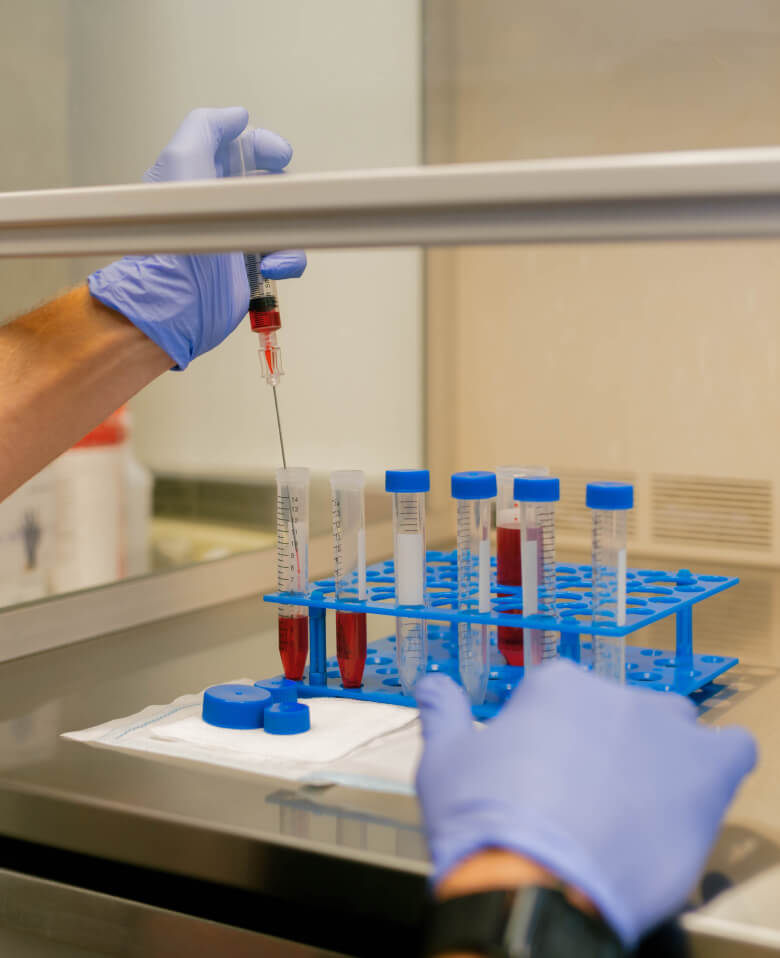
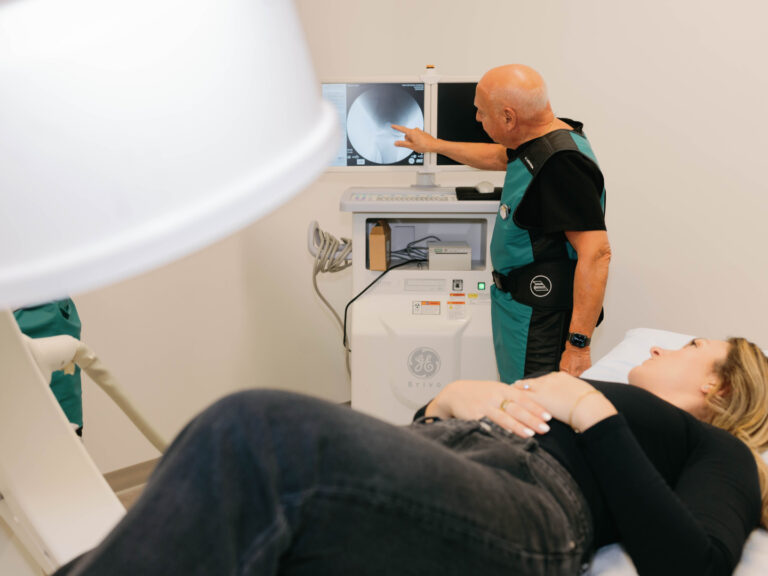
Using stem cell treatment, platelet rich plasma and regenerative medicine, this kind of tendon tear can now be treated without the need for surgery. Doctors simply inject the stem cells and platelet rich plasma into the tendon. The platelets direct the stem cells to repair the damaged tendon, and the stem cells also help the damaged tendon cells to repair themselves. This kind of amazing, cutting edge and regenerative medicine is one of the examples of how effective stem cell treatment has become at treating all kinds of injuries.