

The Institute of Regenerative & Molecular Orthopaedics

Enthesopathy

Home > Stem Cell & PRP Conditions Treated > Enthesopathy

Enthesopathy, Stem Cell Orthopedic

Enthesopathy is the general medical term giving to arthritic and other orthopedic conditions affecting the tendons and ligaments instead of the joint membranes. Entheses is where the muscle tendon, ligament or muscle attach to the bone or joint capsule. Enthesitis is the inflammation of the areas where tendons or ligaments attach to the bone. Several factors, either individually or collectively, can cause enthesopathy. These include genetics, injury, illness, age, weight, and infection.

There are over one hundred types of arthritis and related conditions each with their own specific symptoms; however, some general symptoms include persistent joint pain, pain or tenderness in a joint which becomes aggravated by movement or activity, such as walking, getting up from a chair, or writing, inflammation, swelling, stiffness, joint deformity, lost of range of motion, extreme fatigue, or unexplained weight loss.

Some forms of arthritis and related conditions include: Achilles tendonitis, tennis elbow, reactive arthritis, rheumatoid arthritis, osteoarthritis, degenerative arthritis, psoriatic arthritis, diffuse idiopathic skeletal hyperostosis (DISH), periarthritis, scapulohumeral fibrositis, bursitis, tendonitis, ankylosing spondylitis, plantar fasciitis, rotator cuff syndrome of shoulder and allied disorders, and enthesopathy of the wrist, elbow, knee, hip, or ankle.

There are many options to manage and treat these conditions. Some common choices are over-the-counter medications and creams, and prescription medications such as nonsteroidal anti-inflammatory drugs, COX-2 inhibitors, corticosteroids, analgesics(pain medications), and disease modifying anti-rheumatic drugs (DMARD). Natural treatments are an alternative. They include acupuncture, biofeedback, massage, Tai Chi, yoga, and taking supplements like fish oil, chondroitin, and glucosamine. Injections are an option. These include Synvisc, Supartz, Orthovisc, Euflexxa, and Hyalgan. Surgery is another option. Arthroscopy is one type of surgery used. It is a minimally invasive surgery used to repair torn ligaments. A newer option is stem cell therapy. Stem cell therapy is a type of intervention involving a series of new techniques and technologies that introduce new cells into damaged tissue in order to treat a disease or injury.

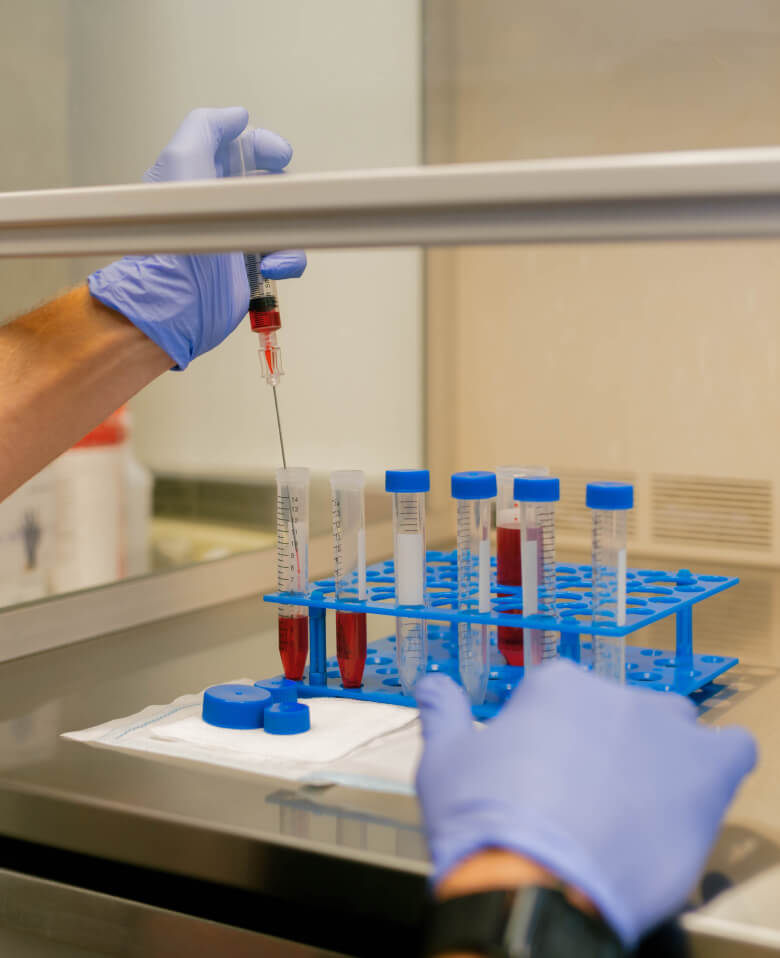
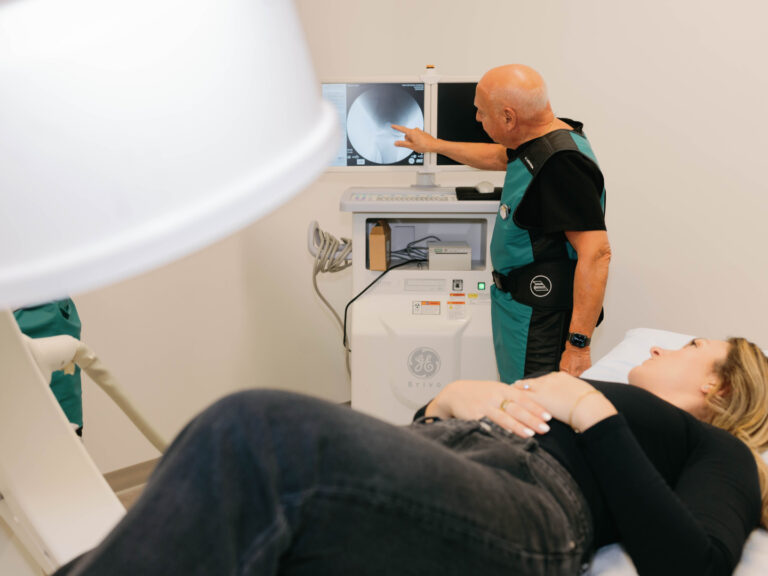
The Institute of Regenerative and Molecular Orthopedics uses a combination of techniques including traditional orthopedics, platelet rich plasma, and stem cell therapy to treat a variety of orthopedic injuries. These techniques allow for non-surgical treatments to many injuries and conditions from strains, sprains and tears to many forms of arthritis.


**Please note that the above condition represents the vast majority of conditions which we treat with either PRP injections or a combination of both PRP injection and stem cell injections. The method of treating the condition depends upon the severity of the condition, age of the patient, and other factors. In general, when treating tendonitis, a PRP injection with possibly Human Growth Hormone is usually sufficient. The more severe conditions such as significant joint arthritis may need an addition to PRP injections—such as an injection of bone marrow stem cells. For more moderate joint arthritis, rotator cuff tears, meniscus injuries, and other tendon tears and injuries, a combination of PRP injections, fat stem cell injections, and Human Growth Hormone injections.