

Treating Hamstring Strain through Innovative Stem Cell Therapy
Technological Advancements in the Treatment of Ischial Tuberosity Bursitis
Ischial tuberosity bursitis is an extremely painful condition. The ischial tuberosity is a part of the hip bone. It's more commonly called the sitting bone because it's located in the lower back region of the hip bone and covered by the gluteus maximus, or the butt muscle. Bursae are small sacs filled with synovial fluid, a fluid that helps reduce the rubbing together of joints when the body moves.
Ischial tuberosity bursitis occurs when the bursa that lies next to the ischial tuberosity gets inflamed. It's usually caused by long distance or frequent running, especially in a person not used to exercising. It's also caused by extended periods of sitting, particularly on hard surfaces. Once the bursa becomes inflamed, symptoms include pain, redness, and swelling.
Treatment of this condition is typically very non-specific and includes rest, the use of heat and ice on the affected area, and elevation. Some of these things are hard to do because of the location and many times, recovery is slow. NSAIDS like Motrin aren't very effective in treating associated pain, and steroid injections carry undesirable risks, including bleeding, infection, and even rupture of the tendon.
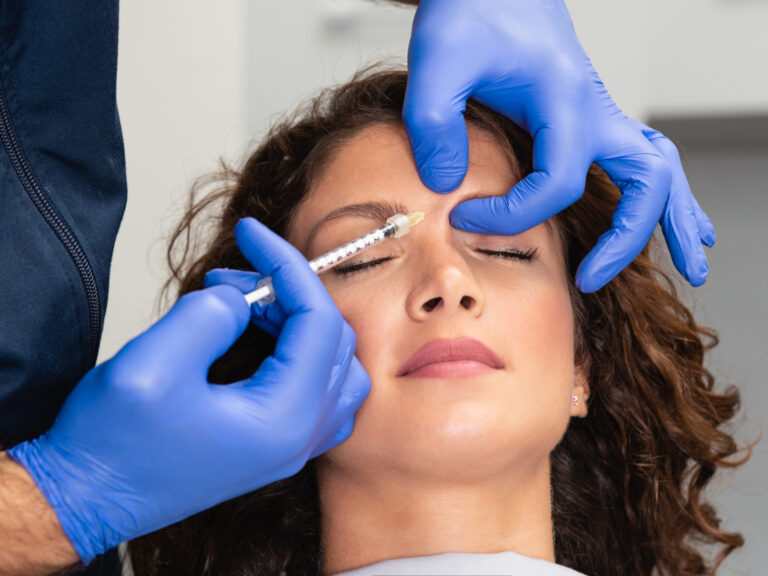
Fortunately, in the coming years, bursitis is seeing new methods of treatment that carry less risk and are more effective in hastening recovery. The first is neural therapy. It was developed quite a while ago by the Huneke brothers, but has only recently gained recognition with the major medical associations and research centers. It is similar to a steroid injection, but anesthetic medication is used instead. Various clinical studies have shown relief in people whose bursitis was resistant to traditional methods.
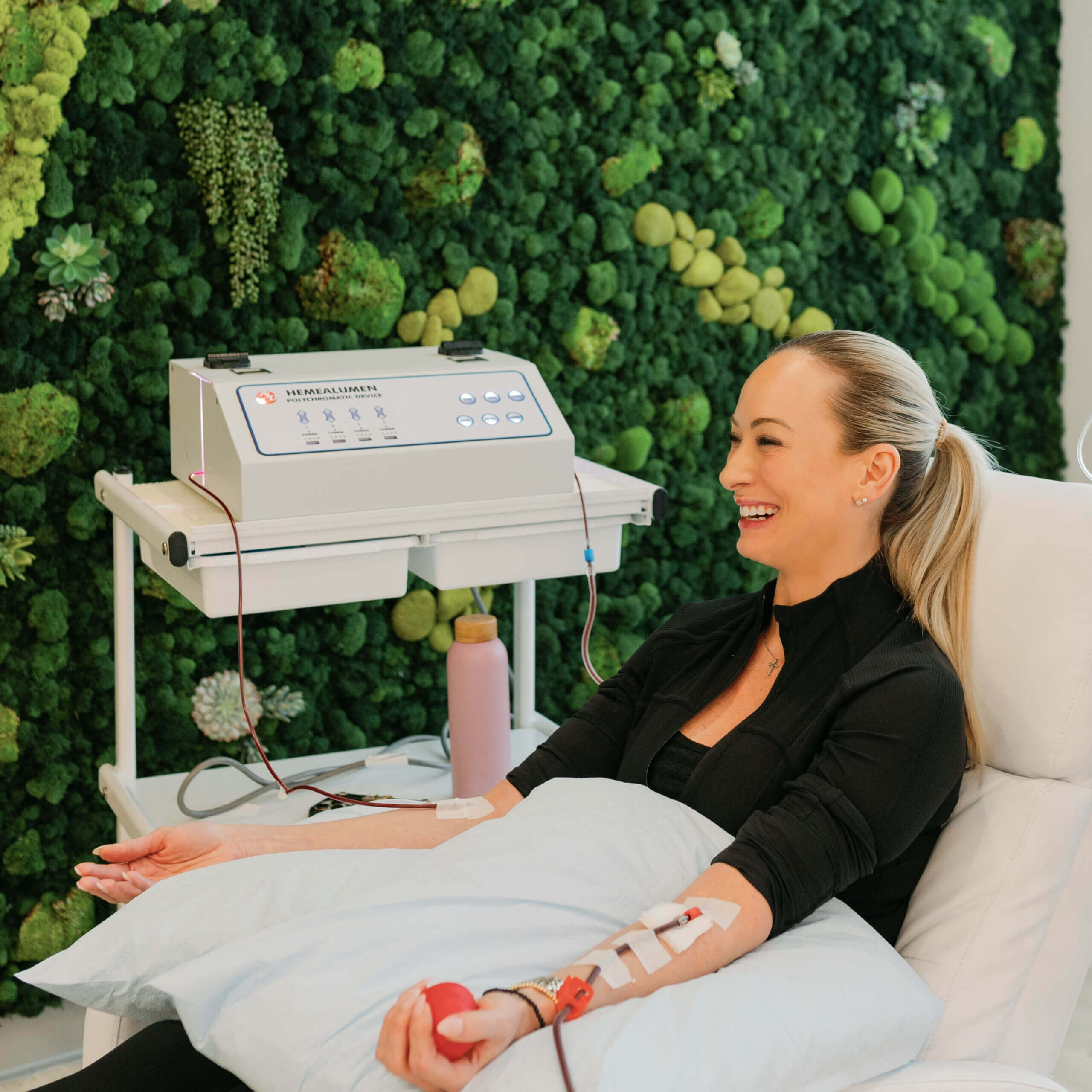
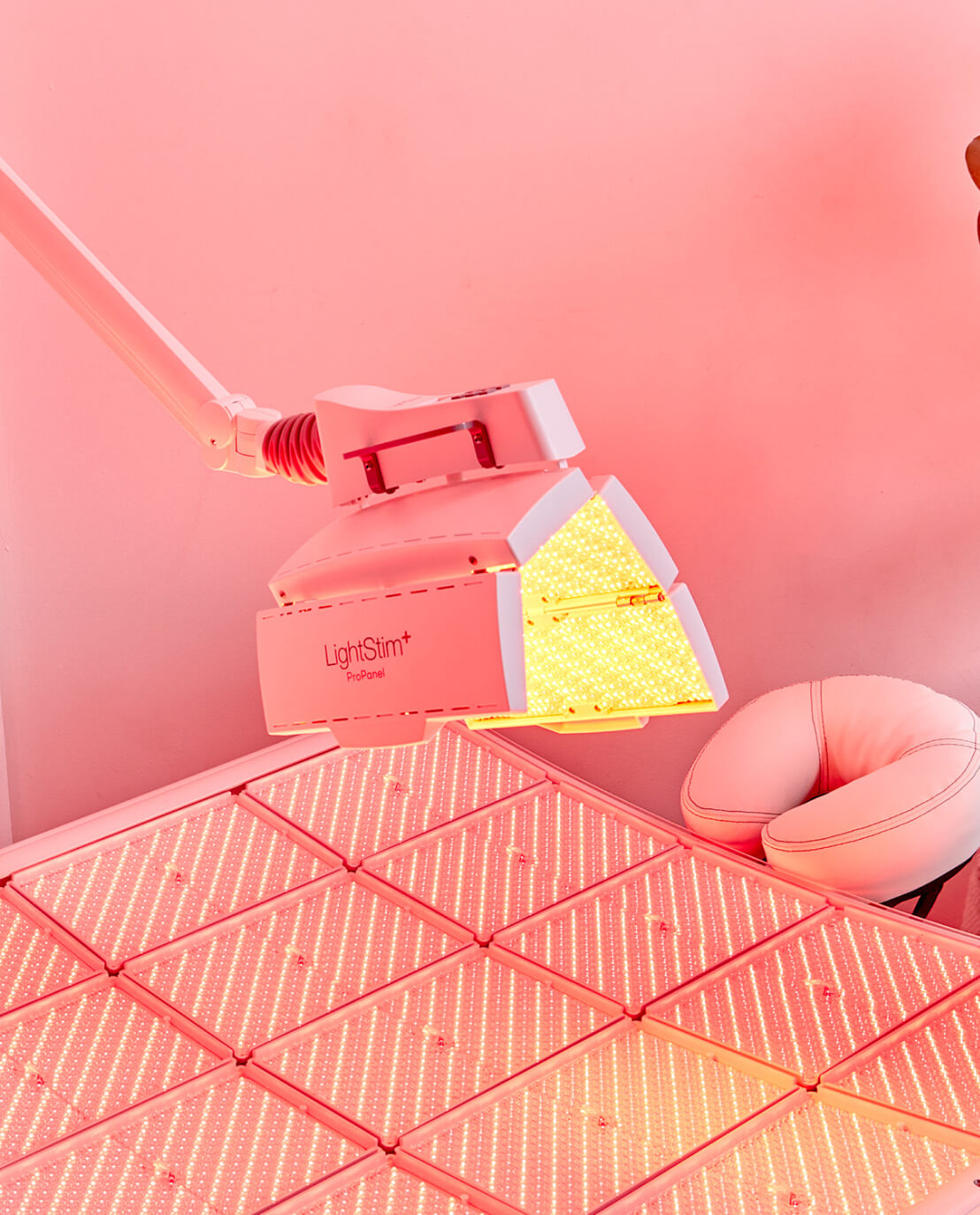
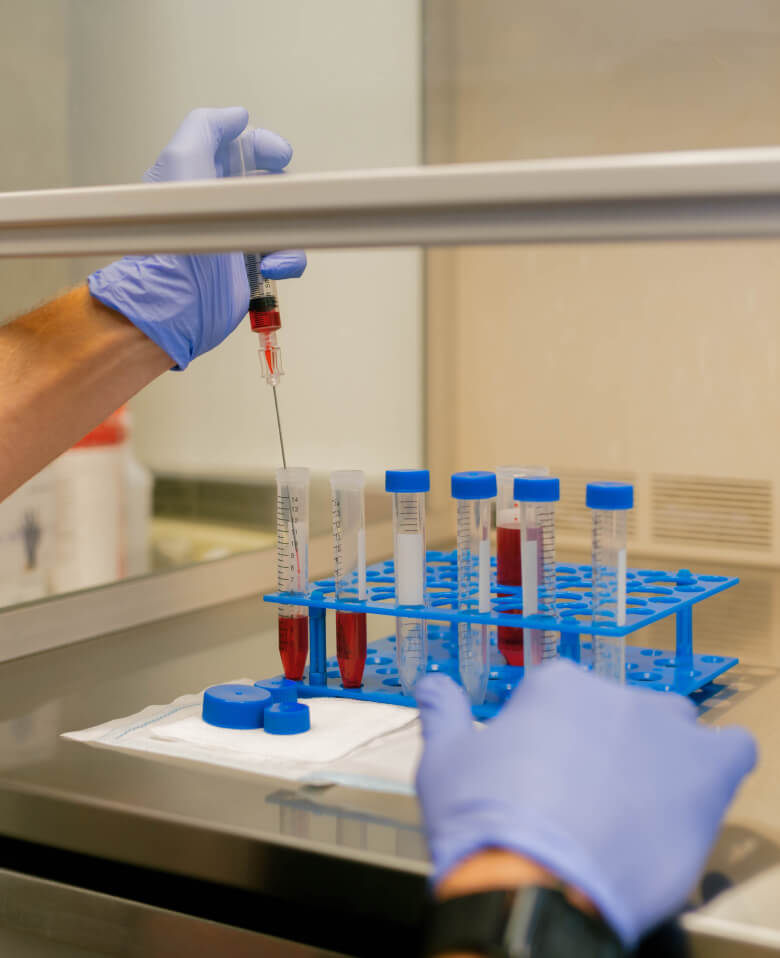
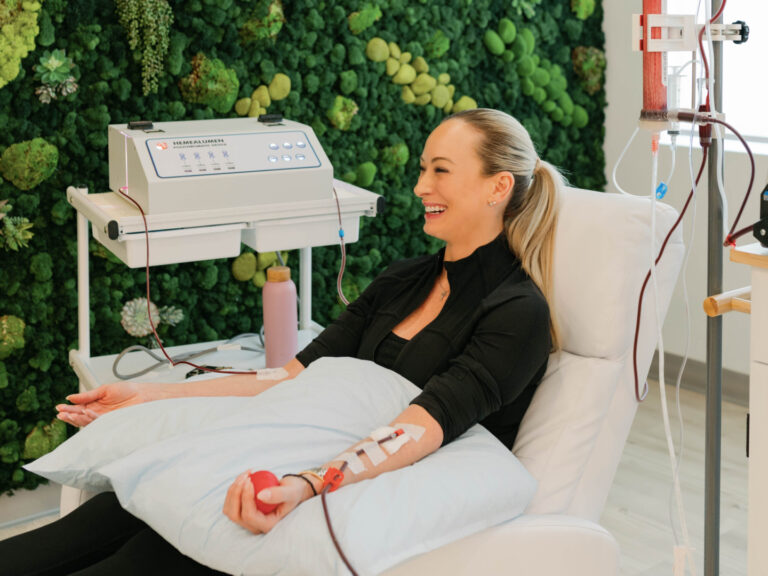
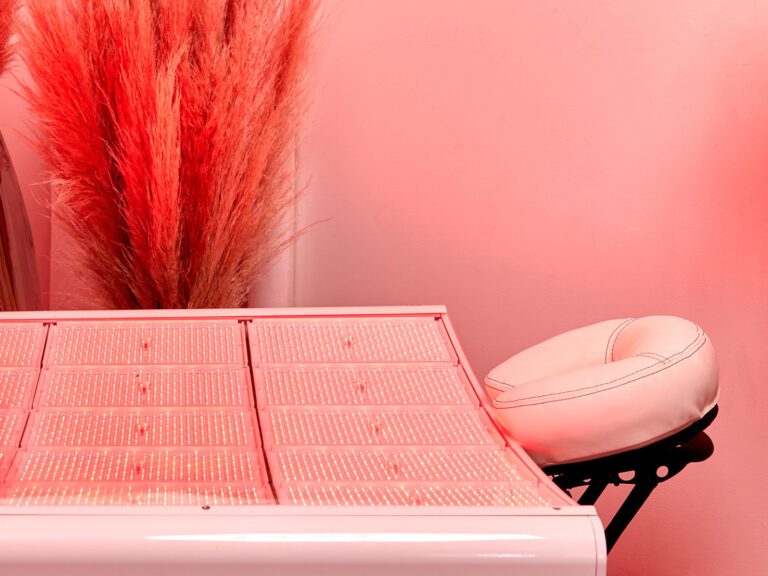
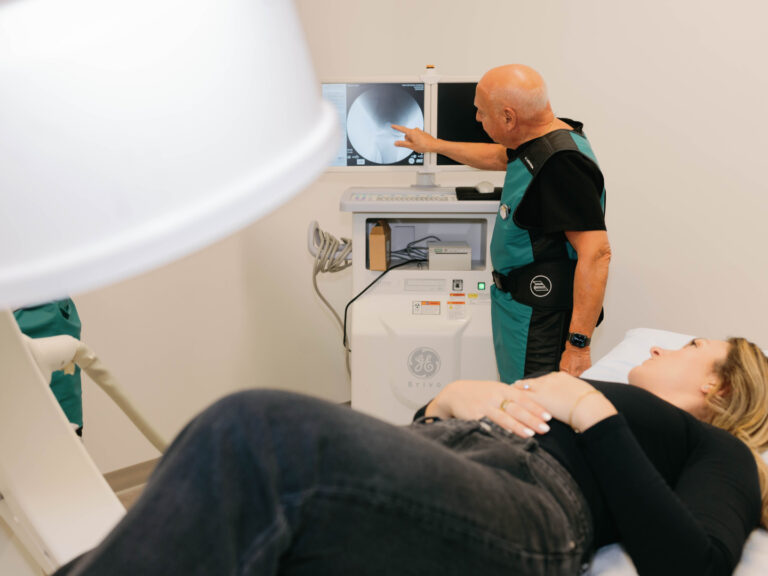
The latest treatment involves stem cell therapy. The Institute of Regenerative and Molecular Orthopedics has developed a procedure that entails using stem cells taken from fat tissue or bone marrow and injects them into the affected area. The stem cells go through a light activation process, which allows them to work quickly and effectively. The Institute of Regenerative and Molecular Orthopedics is also a leader in platelet rich plasma injections. Like the stem cell therapy, this treatment is via injection. The patient's own blood is taken, the platelets are separated, and are then re-introduced back into the body.
These new treatments are allowing people worldwide a speedier recovery from ischial tuberosity bursitis, as well as a variety of other orthopedic injuries and conditions. Neural therapy is allowing patients better pain management while their bodies heal, while the new and promising stem cell and platelet rich plasma therapies are actually allowing the body to heal with light speed efficiency. Thanks to this latest orthopedic research, people will be able to overcome injury safely and naturally, without the heavy risks of traditional treatment.
.