

Osgood-Schlatter's disease is an injury to the oblong elevation on the top front of the tibia bone. This elevation is known as the tibial tuberosity, and it forms the skeletal fulcrum for the extension of the knee. Because of its location, fractures to the tibial tuberosity are very uncommon in adults. Injuries are most commonly observed in physically active boys between the ages of 9 and 16. Surveys by orthopedic physicians indicate that the condition is more prevalent in males than females; this is presumed to be a result of higher physical activity in males.
Osgood-Schlatter's disease is more properly a syndrome, not a disease, because there is no known genetic marker or specific etiology. It is essentially a self-limiting condition because affected individuals are unable to continue with the physical activities involving the damaged knee. Running, jumping and climbing stairs causes intense pain, and in most cases there is no indication of any preceding trauma to the knee. Orthopedic intervention is rarely required. In most cases, treatment consists of complete avoidance of physical activity involving the knee for a period of 1to 2 week, followed by a gradual resumption of physical activity over a period of 1 month. The syndrome may occur again within the next 1 to 2 years. After this time period the skeleton has typically matured and fully healed.
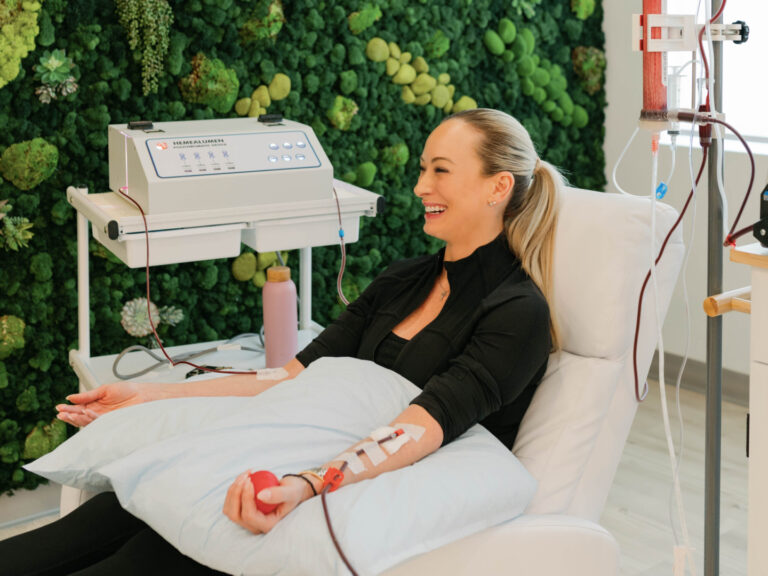
In some cases, more extended rest and recovery periods are required. Small percentages (10%) of patients continue to experience symptoms into adulthood. Stem cell therapy has been clinically shown to be beneficial in the treatment of such patients. At the Institute of Regenerative & Molecular Orthopaedics (IRMO) in Boca Raton, Florida, physicians use cutting edge stem cell therapy to treat medical issues such as degenerative and rheumatoid arthritis, Osgood-Schlatter's, bursitis, tennis elbow and many other joint conditions.
IRMO is one of the few facilities in the US today which isolates adipose mesenchymal stem cells and performs stem cell harvesting. The Institute combines new stem cell treatments with traditional therapies to obtain positive results in dramatically shortened period of time. In many cases traditional surgery is no longer even required.