

The Institute of Regenerative & Molecular Orthopaedics

Sacroiliac Joint Dysfunction

Home > Stem Cell & PRP Conditions Treated > Sacroiliac Joint Dysfunction

Sacroiliac Joint Dysfunction, Stem Cell Orthopedic

Diagnosis and Treatment of Sacroiliac Joint Dysfunction

The sacroiliac joint is classified as a cartilaginous synovial joint and is comprised of the sacrum and ilium, which are located where the spine meets the pelvis. Its stability is sustained by various ligaments. The sacroiliac joint's primary function is that of a shock absorber for the pelvis, and lumbar--lower--back.

Symptoms of this type of joint dysfunction can include mild to severe pain, which generally manifests on both sides of the body. Pain in the sacroiliac joint is not an uncommon complaint. Prolonged sitting typically aggravates the pain, and many patients find they must frequently rise and stretch if they are required to spend extensive amounts of time in a seated position.

Injury is one of the most common causes of sacroiliac joint dysfunction. Many times, patients report being rear-ended in a vehicle accident, or falling in such a way as to land directly on their buttocks. This causes trauma to the sacroiliac joint area.

This type of pain can also occur if a patient has undergone a lumbar fusion procedure due to an injury. In such cases, physical therapy or intra-articular cortisone injections may be indicated.

Proper diagnosis of any joint dysfunction is critical in order to select the appropriate treatment. Patients with lower back pain are sometimes diagnosed by a procedure called the Patrick’s Test. This is a simple physical examination used to discover the existence of sacroiliac joint dysfunction. It is performed by placing the foot of the patient's leg on the opposite knee and applying mild pressure. If the patient experiences pain in his or her hip or sacral joint, the test is considered positive. It is essential to look at all potential causes of lower back pain, as there are various reasons a patient may experience this symptom.

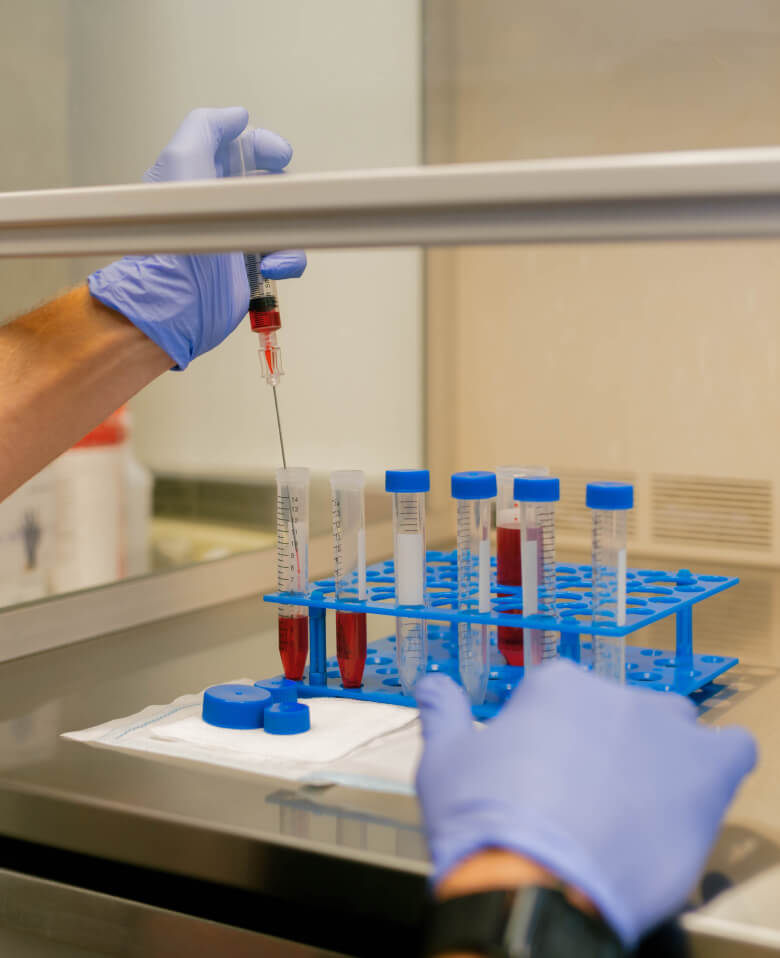
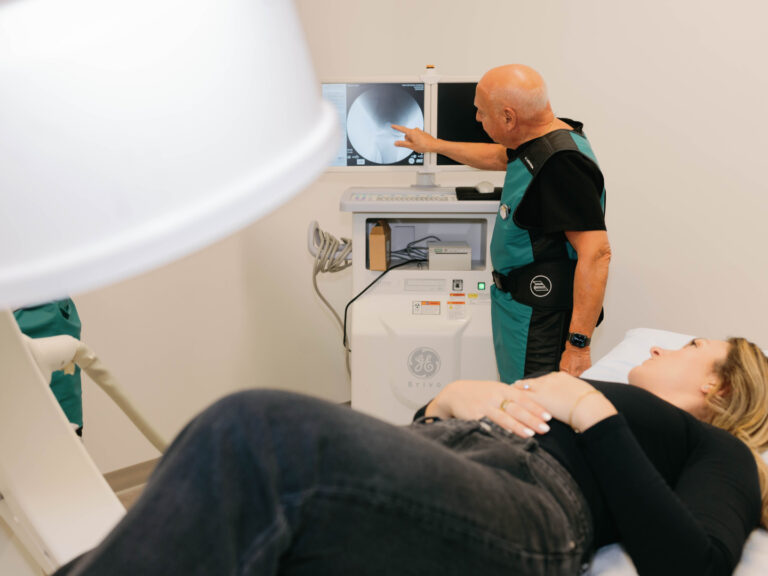
Many people with these and other joint problems do not wish to resort to surgery. Alternative orthopedic treatments are available for individuals who feel this way. Stem cell procedures are of considerable benefit for many such orthopedic ailments. The Institute of Regenerative & Molecular Orthopaedics utilizes stem cell, and other regenerative procedures to aid those who suffer from sacroiliac joint dysfunction. They also perform highly sought after treatments in which mesenchymal stem cells are utilized.

Anyone suffering from joint disorders may wish to consider these types of procedures. Back and hip pain can be a debilitation condition, and a person should take advantage of any appropriate treatment that could potentially offer relief.

**Please note that the above condition represents the vast majority of conditions which we treat with either PRP injections or a combination of both PRP injection and stem cell injections. The method of treating the condition depends upon the severity of the condition, age of the patient, and other factors. In general, when treating tendonitis, a PRP injection with possibly Human Growth Hormone is usually sufficient. The more severe conditions such as significant joint arthritis may need an addition to PRP injections—such as an injection of bone marrow stem cells. For more moderate joint arthritis, rotator cuff tears, meniscus injuries, and other tendon tears and injuries, a combination of PRP injections, fat stem cell injections, and Human Growth Hormone injections.