

The Institute of Regenerative & Molecular Orthopaedics

Symphysis Pubis Pain

Home > Stem Cell & PRP Conditions Treated > Symphysis Pubis Pain

Symphysis Pubis Pain, Stem Cell Orthopedic

Advanced Treatment of Symphysis Pubis Pain

Prenatal symphysis pubis pain has been described as mild to severe pain in the pelvic region, specifically in the pubic region and occasionally along the inside of the upper thigh (1). Lifting heavy objects can aggravate the condition and some women report ‘hearing’ or feeling a clicking or grinding sensation in the groin when walking. Walking may even become difficult and result in the often observed waddling gait. The number of pregnant women who suffer from prenatal symphysis pubis pain is probably somewhere between 10 and 30%.

The exact cause of prenatal symphysis pubis pain is unknown, but one theory is that women are generally susceptible to pelvic instability during pregnancy due to hormonal changes and an altered center of gravity (1). Symphysis pubic pain, as well as pain in the lower back and sacroiliac, is generally felt around the beginning of the third trimester. The timing of the onset of symphysis pubic pain is consistent with fetal growth altering the mother’s center of gravity. These changes can put stress on pelvic ligaments and muscles, thus weakening pelvic joints and interfering with correct pelvic alignment and function.

Treatment for symphysis pubic pain has traditionally included supportive belts, exercise regimens, back care counseling, and pain medication, with a personalized exercise regimen producing the most consistent improvements among several scientific studies (1). None of these traditional treatments address possible injuries to pelvic connective tissue. Since this is still a relatively understudied area, taking advantage of the cutting edge orthopedic care offered at The Institute of Regnerative & Molecular Orthopeadics in Boca Raton, Florida may improve the chances that quick relief from pregnancy-related pelvic pain will be obtained.

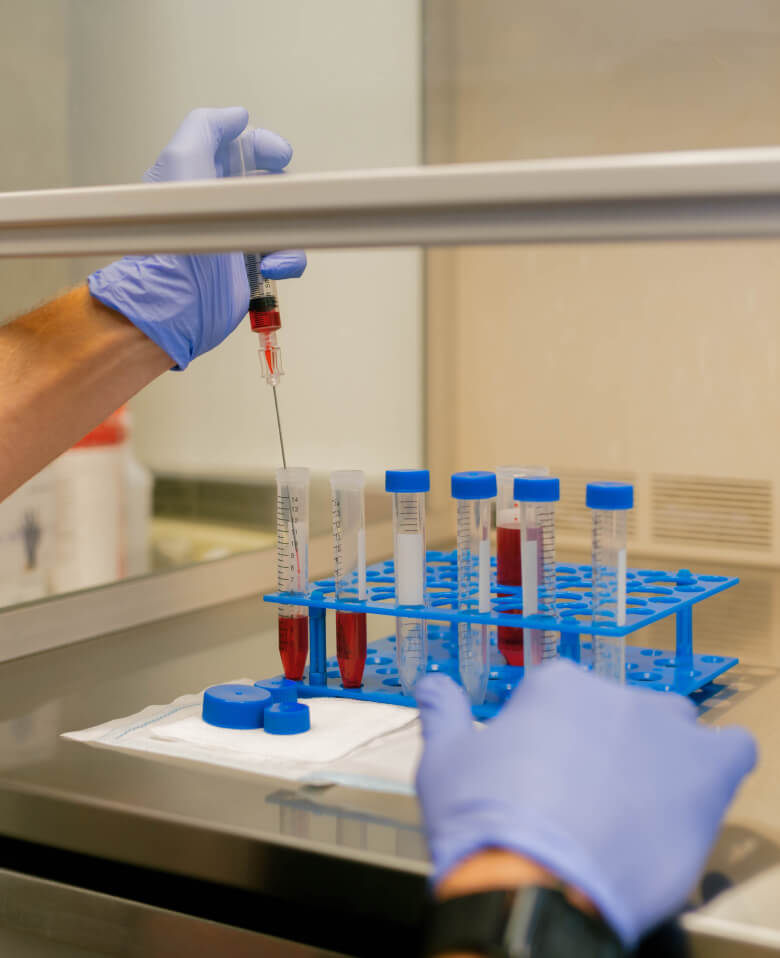
The medical professionals at The Institute of Regenerative & Molecular Orthopeadics combine traditional orthopedic procedures with cutting edge treatments, including platelet rich plasma injections with or without somatic stem cell treatments. Platelet rich plasma provides an enriched source of autologous platelets and growth factors that can help speed connective tissue injury repair and suppress inflammation naturally. Somatic stem cell preparations, such as those derived from the bone marrow, or mesenchymal cells in adipose tissue, can provide a powerful source of cells and growth factors that can augment the connective tissue repair activities of platelet rich plasma.

If you are suffering from symphysis pubic pain and traditional treatments have had little effect, then call or visit The Institute of Regenerative & Molecular Orthopeadics to arrange a personalized treatment plan utilizing the latest in orthopedic procedures.

1. Depledge et al. (2005). Phys Ther 85(12):1290-1300

**Please note that the above condition represents the vast majority of conditions which we treat with either PRP injections or a combination of both PRP injection and stem cell injections. The method of treating the condition depends upon the severity of the condition, age of the patient, and other factors. In general, when treating tendonitis, a PRP injection with possibly Human Growth Hormone is usually sufficient. The more severe conditions such as significant joint arthritis may need an addition to PRP injections—such as an injection of bone marrow stem cells. For more moderate joint arthritis, rotator cuff tears, meniscus injuries, and other tendon tears and injuries, a combination of PRP injections, fat stem cell injections, and Human Growth Hormone injections.