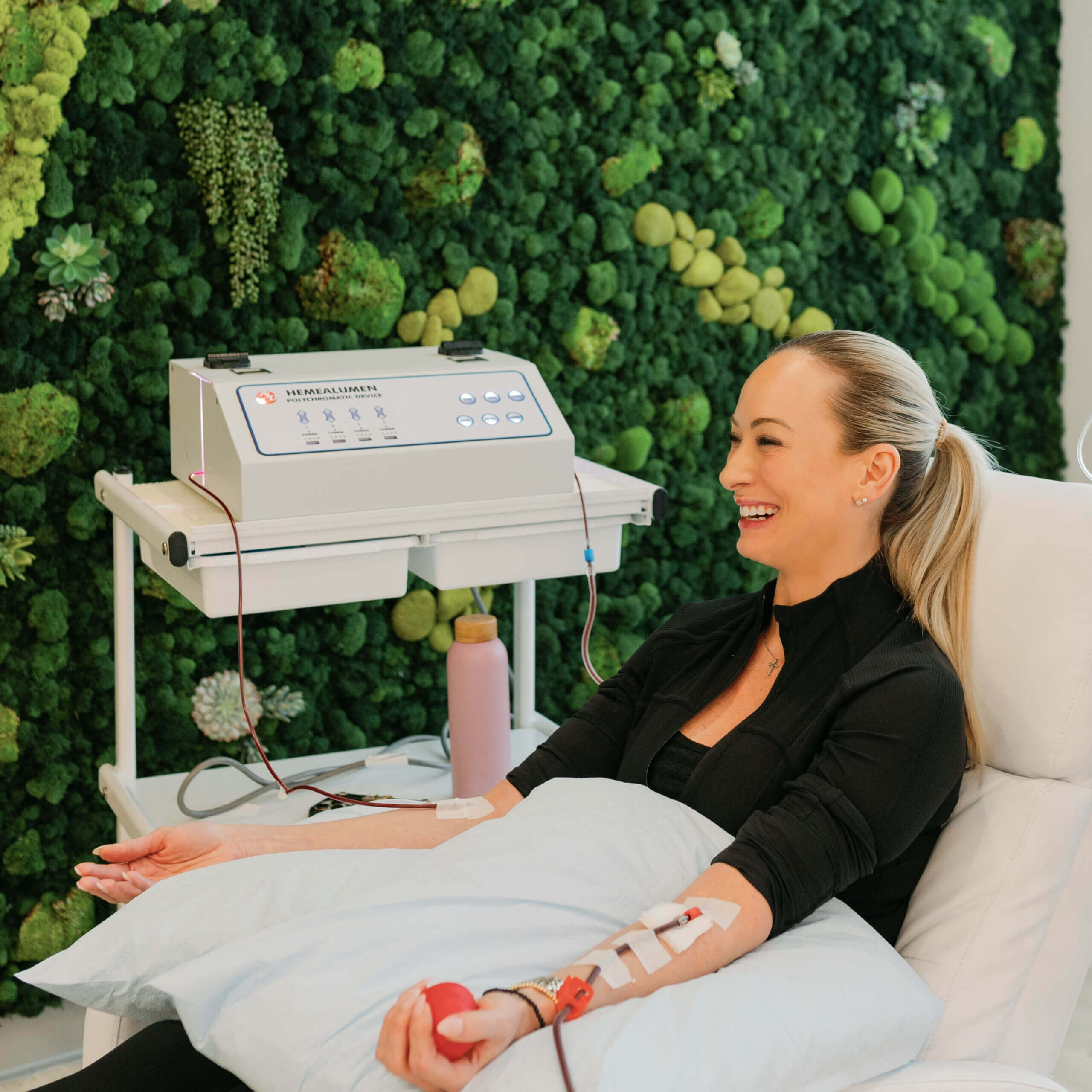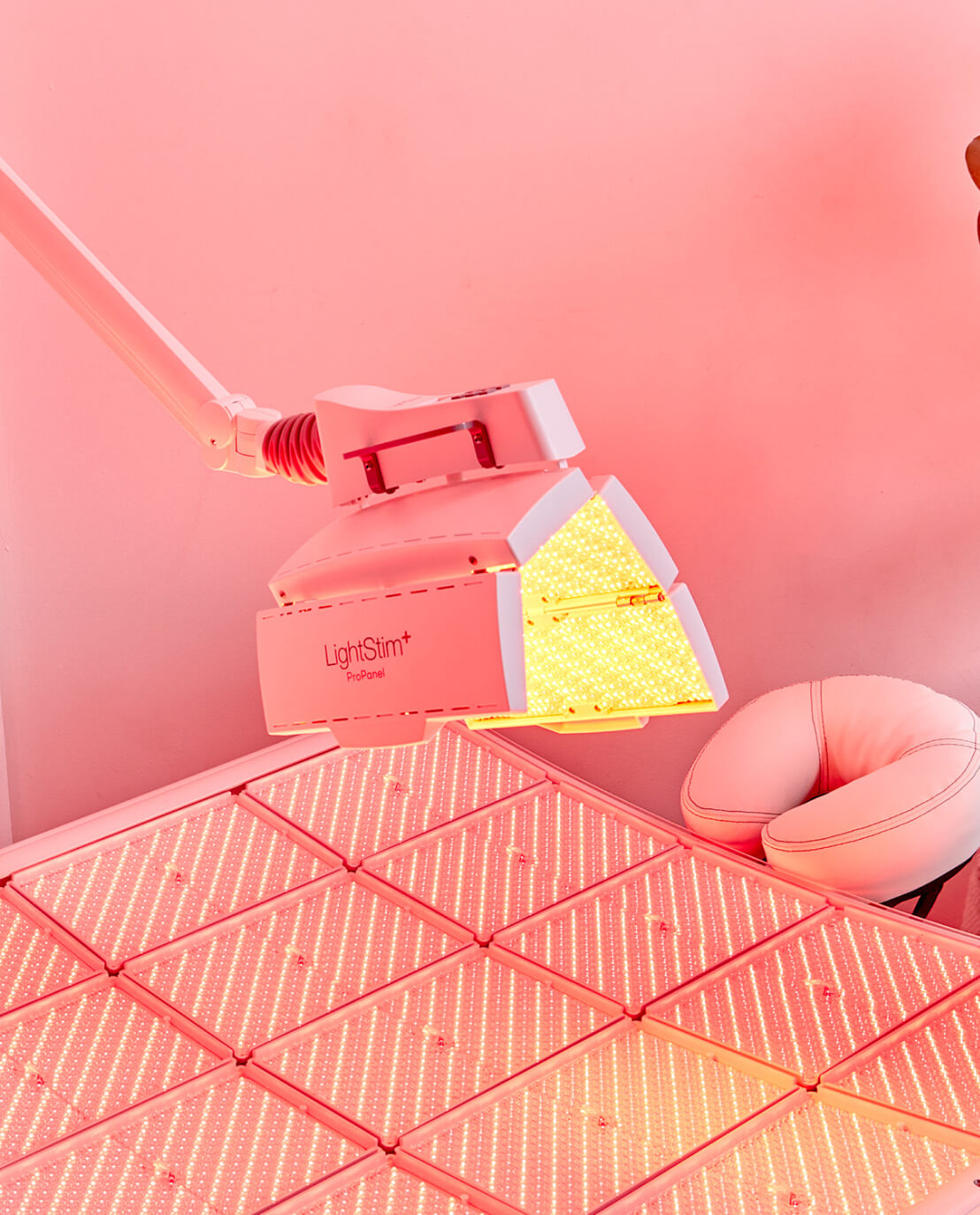


Ulnar collateral ligament injury is a painful affliction that affects the wrist, arm, and elbow. It is common in sports players who perform repetitive motions with their hands and arms such as pitching baseballs, throwing footballs, or swinging a tennis racket. The injury is by no means relegated to sports. Many people experience an injury of the ulnar collateral ligament (UCL) simply as the result of a fall. Standard treatment can take time, but a new stem cell treatment using platelet rich plasma and regenerative medicine technology performed by The Institute of Regenerative & Molecular Orthopaedics can result in quicker and more efficient healing.
What/Where is the UCL?
The ulnar collateral ligament, also known as the medial collateral ligament, is located on the inner part of the elbow, the side closest to the body. It is a thick band of ligament tissue composed of three distinct sections that form a triangle on the medial side of the elbow. The three sections are called the anterior bundle, the posterior bundle, and the transverse ligament. The ULC is responsible for forming and maintaining the connection between the humerus, the upper arm bone, and the ulna, the larger of the two forearm bones.
Symptoms of UCL Injuries
UCL injuries can cause severe pain on the inside of the arm around the elbow. The pain is greatly increased during elbow movement. An ulnar collateral ligament injury can cause the elbow to pop, grind, or temporarily lock up. Swelling and bruising may be apparent in major injuries. Although the pain is largely responsible for a loss in the range of elbow movement, the physical range can also be affected.
Treatment for UCL Injuries
Some forms of UCL injuries can be treated non-surgically through physical therapy. The first stage of any treatment, however, is to rest and reduce the movement of the arm and elbow. Common analgesic drugs such as ibuprofen and acetaminophen help to reduce swelling and pain.
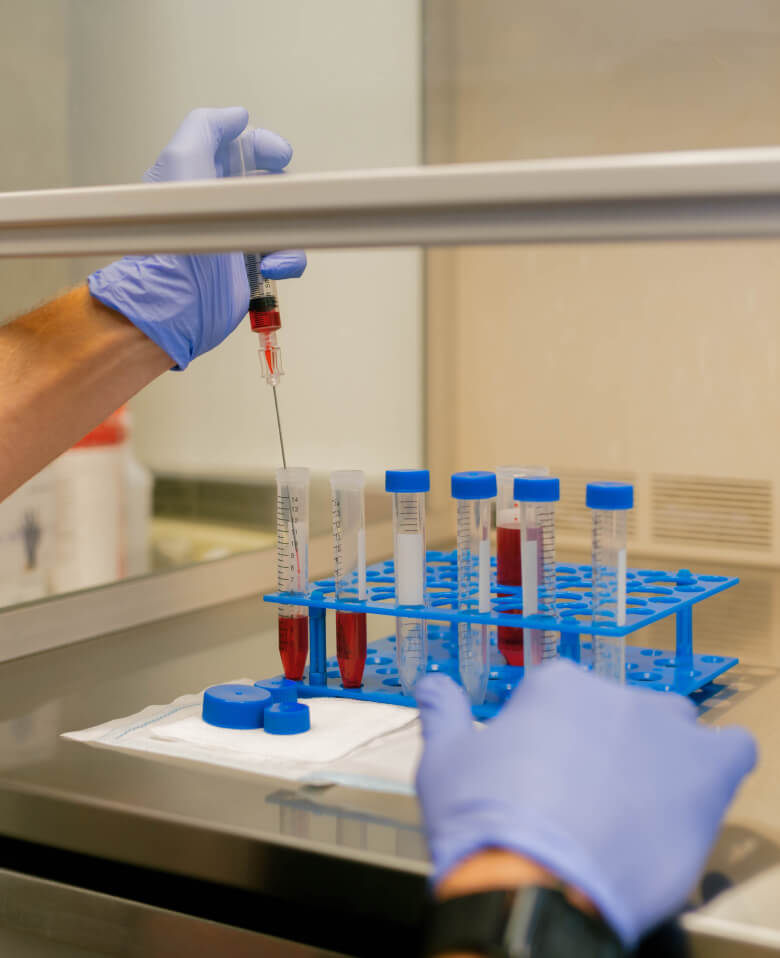
When physical therapy does not solve the problem, surgical intervention may become necessary. In some cases, direct repair of the ligament is required. The ligament may also need to be reattached to the bone with sutures that tie into small holes drilled into the bone. New techniques involving stem cell treatment and regenerative medicine have been developed that can cause the ligament to heal more quickly and more efficiently. In the process, stem cells suspended in platelet rich plasma cling to the ligament and transform into new ligament cells. The procedure has already proven effective in clinical studies.