

The Institute of Regenerative & Molecular Orthopaedics

FAQ


What are the Potential Benefits of Treatment?

Patients can see a significant improvement in symptoms. This may eliminate the need for more aggressive treatments such as long term medication or surgery, as well as a remarkable return of function.

How many PRP treatments & How often is this therapy?

While responses to treatment vary, most people will require 3-6 sets of injections. Each set of treatments is spaced approximately 4 weeks apart. There is no limit to the number of treatments you can have.  The risks and side effects do not change with the number of injections.

Is PRP right for me?

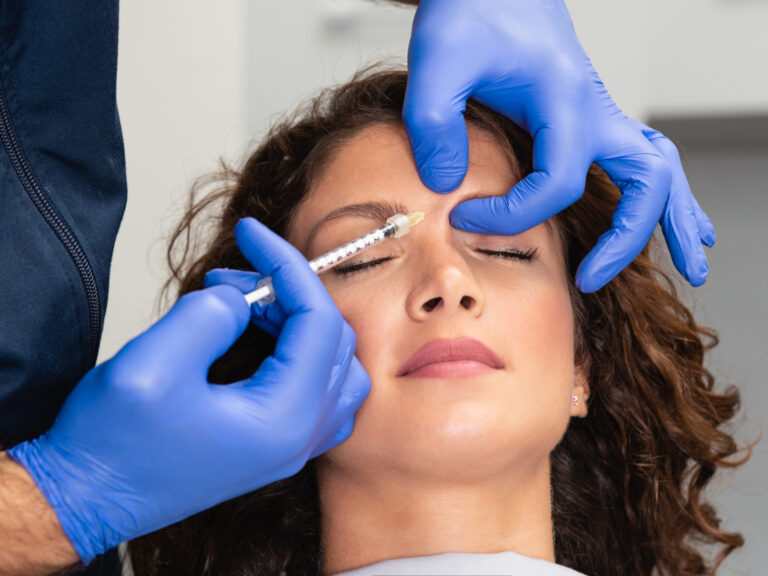
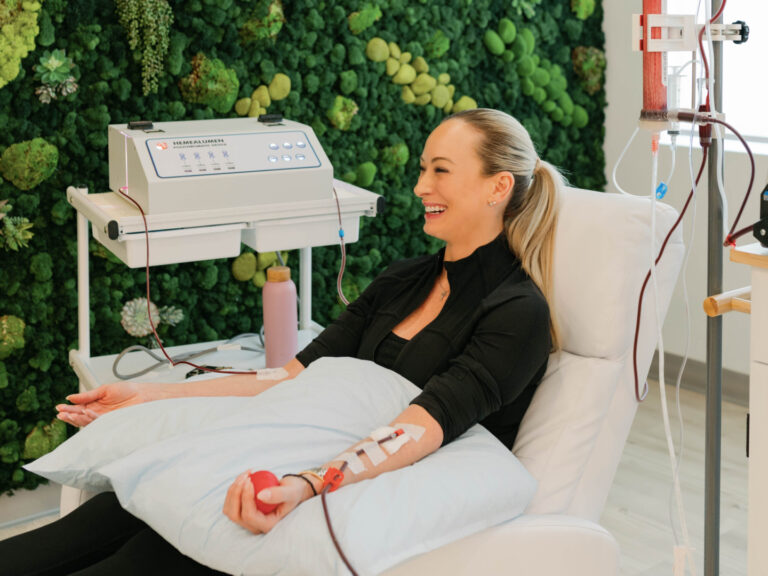
If you have a tendon or ligament injury and traditional methods have not provided relief, then PRP therapy may be the solution. The procedure is less aggressive and less expensive than surgery. It will heal tissue with minimal or no scarring and alleviates further degeneration of the tissues. There will be an initial evaluation with the doctor to see if PRP therapy is right for you.

Are there any special instructions?

You are restricted from the use of non-steroidal anti-inflammatory medications (NSAIDs) one week prior to the procedure and throughout the course of treatments.

Initially the procedure may cause some localized soreness and discomfort. Most patients only require some extra-strength Tylenol to help with the pain. Ice may be applied to the area as needed.

The first week after the procedure, patients will continue their home or physical therapy program.

How soon can I go back to regular physical activities?

PRP therapy helps regenerate tendons and ligaments but it is not a quick fix. This therapy is stimulating the growth and repair of tendons and ligaments requiring time and rehabilitation. Through regular visits, the doctor will determine when you are able to resume regular physical activities.

What types of problems can be treated?

Fractures that have failed to heal, joint cartilage problems, partial tears of tendons, muscles, or ligaments, chronic bursitis, avascular necrosis of the bone, and disc bulges.

What body areas have you treated?

Knee, hip, shoulder, ankle, hand, foot, neck and lower back.

What is the success rate?

The patients that responded said that they have relief of 85% of their symptoms.

Will enough stem cells be obtained or should the stem cells be cultured in a lab?

  • Culturing stem cells in a lab can dramatically reduce their effectiveness and there is strong evidence that culturing the cells can change its genetic make-up, possibly resulting in tumors.  Also, culturing the cells makes the patient miss out on various growth factors and multipotential cells that are invaluable in the regeneration process.
  • By utilizing fat mesenchymal stem cells, we are greatly increasing the stem cells injected into the area. Our abdominal fat is one of the richest sources of stem cells in the body. Plastic surgery taught us this trick years ago.
  • HGH and the supplements that we use can dramatically increase stem cell production which results in more stem cells going to the area in need of regeneration.

Will the stem cells possibly act like a tumor?

There have been no reported cases of autogenous (the patient's own) stem cells causing any types of tumors as long as the cells have not been reproduced outside of the body.

Who is not a candidate for stem cells or PRP injections?

  • Patients with active cancers and/or infections.
  • If bone marrow stems cells are to be utilized and a patient had a history of a bone marrow derived type of cancer (i.e. lymphoma), this would be considered a relative contra-indication.  However, many times those patients can utilize PRP injections and fat stem cells, but the ultimate decision maker should be their oncologist.
  • Anyone who consistently uses NSAIDs, we require their suspension a few days before the injection and 1-3 months afterwards.

Is a bone marrow draw painful?

Because we extensively numb the area, patients say that the marrow draw was not painful and would do it again.

How long does a marrow draw take?

The total procedure may take up to 1 to two hours.