

Home > Stem Cell Therapy
Source: Research by
Tim Friend and Dan Vergano, USA TODAY
By Frank Pompa and Julie Snider, USA TODAY
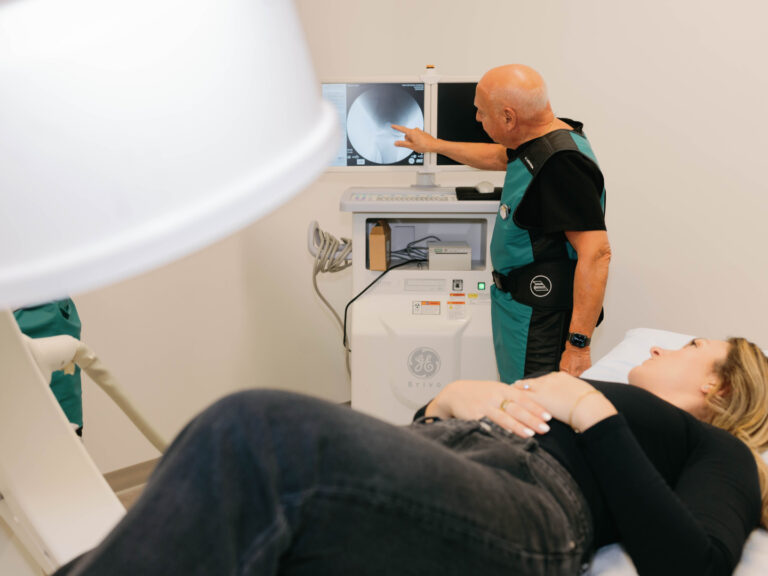
Although stem cell therapy sounds innovative and cutting edge, this type of therapy has been around for quite some time. In the past, these cells were very difficult and expensive to procure. With newer techniques and equipment, stem cells can easily be obtained and concentrated by a simple office procedure.
Stem cells are in people of all ages. Stem cells are the repairmen of the body. The most common is known as hematopoietic stem cells (HSC-CD 34+). The type of adult stem cell that is most often seen in research as being associated with tissue repair is a mesenchymal stem cell (MSC). These cells usually travel to the injured areas via the blood stream. If the injured area has a poor blood supply, this is called an area of hypoxia or low oxygen content. Areas of hypoxia include the joints, meniscus tissue, rotator cuff and other tendon injuries. These are areas that typically do not heal on their own. The body is not able to get enough of the repair cells to these injured areas. Since there is a poor blood supply in this area, the body has trouble sensing an injury is present. If the injury is not that severe, we are usually able to treat the area with platelet rich plasma. We are in a sense mimicking a blood supply in that the platelets sense the injury, release growth factors which than signal the body to send in various types of stem cells to repair the body in this area.
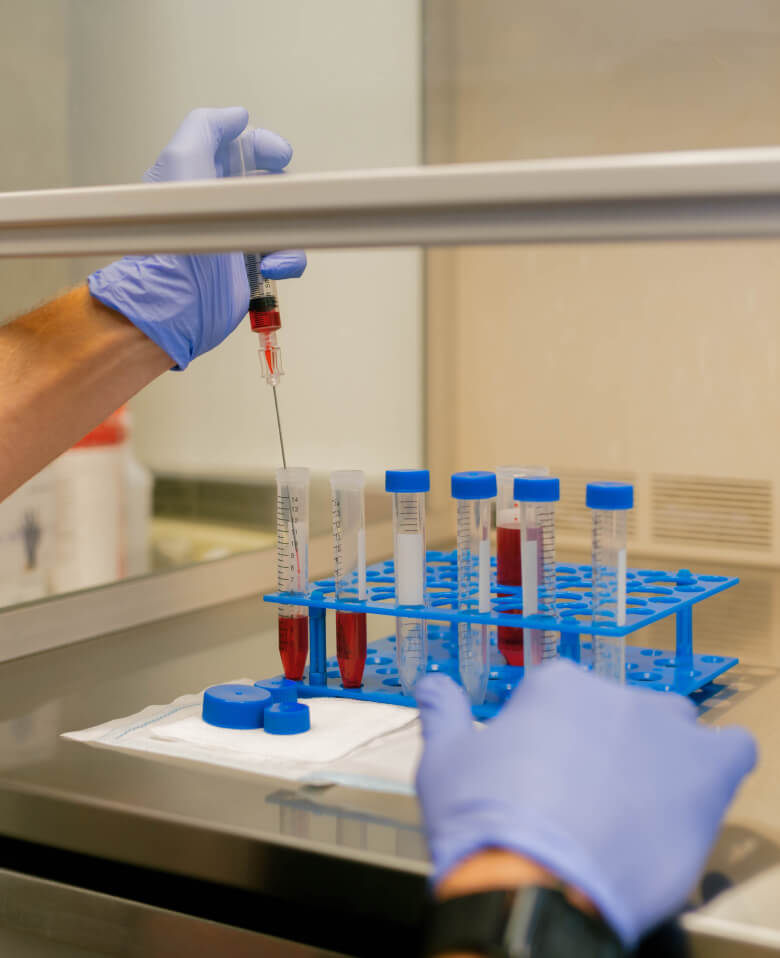
Stem cells are collected by aspirating bone marrow from the back of the patient’s pelvis. The bone marrow aspirate is a bloody substance that is removed from the pelvis through a small needle. There is usually minimal discomfort with this procedure since the area is well anesthetized with a local anesthetic. Most procedures require about 2oz. (60cc) of bone marrow aspirate. This aspirate contains mesenchymal stem cells, platelets, and other types of stem cells.
The bone marrow is placed in a special container. The container is then placed into a machine called a centrifuge. This machine spins the bone marrow at a very fast speed causing the stem cells and platelets to be separated from the rest of the blood products. It is this concentration of bone marrow that is injected back into the injured area. The concentration is called BMAC or bone marrow aspiration concentrate.
Once introduced back into the body, the platelets release growth factors and signaling proteins that basically tells the stem cells what to become. Stem cells by themselves are not capable of repairing the area. They need to be directed, and the platelets are the directors. Think of stem cells as the construction workers and the platelets as their supervisors. Once activated, the stem cells are capable of many remarkable things. In addition to repairing the damage, the stem cells encourage damaged cells to repair themselves and also take part in the repair process.
The repair usually takes 2-3 months but improvement is usually noted before then. Approximately 4-6 weeks after the stem cell injection, a platelet rich plasma injection is performed on the affected area followed by a second injection 4-6 weeks later. These platelet injections allow the stem cells to continue growing and multiplying into cartilage tissue.
Stem cell therapy can be affected by many different conditions some positively and some negatively. Alcohol seems to diminish the body’s release of stem cells so when undergoing either stem cell treatments or platelet rich plasma treatments alcohol intake should be a minimum! Certain supplements seem to positively affect the release of stem cells and actually increase their number. These include vitamin D3, blueberry extract, carnosine, and green tea extract. At present when undergoing a treatment, patients are advised to take a compound called Naturacell which has these aforementioned supplements. Two prominent stem cell scientists performed the research on these supplements at the University of South Florida.